Compliance & Legal

Leveraging AI, machine learning and neural networks can help healthcare standardize data, comply with info blocking requirements and improve health outcomes.

The new security requirements conform with the ACSC's Essential Eight strategies for mitigating cybersecurity incidents.

The proposal provides a "valuable tool to support the electronic submission of healthcare information," said CMS Administrator Chiquita Brooks-LaSure. It would reduce provider burden and could save more than $450 million a year.

The American Hospital Association is calling for greater federal support for victims of cyberterrorism to help get hospitals back online quickly. It also advises hospitals to coordinate cyber response with their regional emergency planning efforts.

In this special episode, recorded live in Boston at the HIMSS Healthcare Cybersecurity Forum, Roshal Marshall of McKesson discusses this and other issues, including AI integrity and information blocking rule compliance.
A letter from the HIMSS EHR Association outlines concerns and requests clarifications around issues such as automation bias and how the industry would transition away from legacy technologies that conflict with the guidance.

Healthcare organizations can streamline the vendor management process to reduce third-party risk, while they build a culture of resilience.
William McDermott briefed the 2022 HIMSS Cybersecurity Forum in Boston on new threats, cleared up some misconceptions about incident response and walked through what happens when healthcare organizations reach out for help.
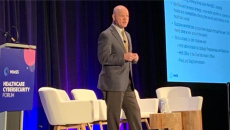
"The adversary has to beat all of us to beat one of us," said Greg Garcia of the Healthcare and Public Health Sector Coordinating Council at the HIMSS Healthcare Cybersecurity Forum.
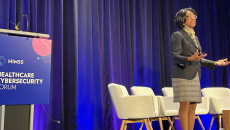
At the 2022 HIMSS Healthcare Cybersecurity Forum in Boston, keynote speaker Anita Allen described the delicate and complex balance between the imperative of data sharing and the need to protect privacy.