Clinical

HIMSS25 APAC
Implementing wearable devices and AI technologies across its facilities in Banten is part of Bethsaida Healthcare's ongoing transformation, says corporate IT head Hasan Widjaja.

The government has made permanent pandemic-era flexibilities on virtual prescribing and monitoring substance use disorder medications. As a result, telemedicine MAT programs may soon be more common.
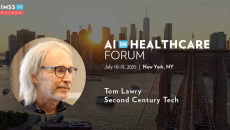
Too few healthcare organizations are getting adequate ROI on their artificial intelligence investments, says Tom Lawry, managing director of Second Century Tech. He offers some perspective on achieving value enterprise-wide.
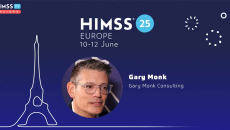
While AI technology continues to generate hype in the digital health space, thought leader Gary Monk says applications that can help solve real-world problems are the most interesting and valuable to healthcare stakeholders.

The success of hospitals using a free PPH risk assessment algorithm and other tools that aid early detection and treatment of hemorrhage after childbirth – the primary cause of U.S. maternal morbidity rates – is driving a new tech integration initiative.
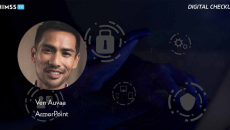
Ven Auvaa, ArmorPoint's information security director, stresses the importance of giving employees a "clear and open pipeline to communicate" about potential social engineering exploits and phishing scams to help increase network protection.

HIMSS25 APAC
Semarang Medical Center Telogorejo Hospital President Director Dr Alice Sutedjo Lisa says staff members become more comfortable and proficient in using EMR while maintaining close patient engagement.
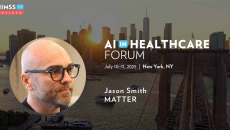
Jason Smith, venture fellow at MATTER, says making smart picks and achieving ROI requires careful study to discern signal from noise.
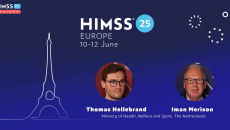
Thomas Hellebrand and Iman Merison from the Netherlands' Ministry of Health, Welfare and Sport urge other European countries not to wait for EHDS regulations to be finalized to digitalize their healthcare systems.
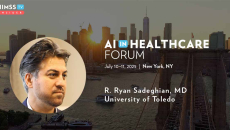
Generative AI is enabling a "revolution" in automated decision support and helping physicians make better diagnoses for complex cases, says Dr. Ryan Sadeghian, chief medical information officer at University of Toledo.