Clinical

The newly released Apple Vision Pro augmented reality headset has potential in medicine, including how its eye-tracking technology could affect a surgeon's performance, says Sam Glassenberg, founder and CEO of Level Ex.
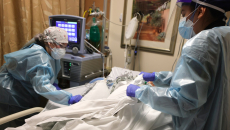
Applying the AI model could improve the speed to care for critically ill patients by almost two days, resulting in better patient outcomes and shorter hospital stays, say USC researchers in a new study.

Chapters also provide volunteering opportunities, notes Sepi Browning, IT director/business partner at Piedmont Healthcare.


Sam Seering, product manager of Cheers for Epic, talks about expanding engagement with patients, and how a switch to automated outreach saved one provider $37K, while addressing a care gap.

The factors influencing health outcomes occur outside of traditional healthcare settings, but tools that effectively capture and use social determinants of health data can help providers advance health equity.

Automation is bridging the gap between clinical and coding and documentation, says Tami McMasters Gomez, director of coding and clinical documentation integrity services at UC Davis Medical Center.

HHS Office for Civil Rights Director Melanie Rainer describes how her office is helping providers understand and meet their security and compliance requirements.
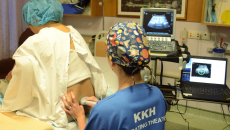
The technology has already been implemented in KK Women’s and Children’s Hospital.

The health system's department of care transformation and innovation is focused on specific care delivery challenges such as staffing, scheduling and provider documentation, says Dr. John Doulis.