Artificial Intelligence
Use of artificial intelligence to translate patient chart notes into a reader-friendly format is showing promise, says Dr. Jonah Zaretsky, medical director at NYU Langone Hospital Brooklyn.
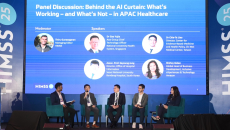
HIMSS25 APAC
Hospital IT chiefs from the region also discussed insurance coverage for AI-related risks.

Artificial intelligence gives Cedars-Sinai's clinicians EHR-supported diagnoses and treatment plan recommendations after patients complete virtual urgent care clinic intake questions in a structured chat.
Laura Cooley, editor in chief of Journal of Patient Experience, says many patients are skeptical of artificial intelligence, and work must be done to overcome that in order to unlock its benefits for their healthcare experience.

NewYork-Presbyterian researchers have developed a deep learning model that increases doctors' abilities to diagnose structural heart problems, while increased access to artificial intelligence innovations could help save thousands of lives per year.

The SheHer app, which enables women to find healthcare content and medical professionals, is being translated for global use. Cofounder Mariatheresa Kadushi says it will also collect data that can train AI to help reduce bias.

AI and synthetic-driven research can help clinicians gain a patient's trust, according to Adrienne Boissy, Qualtrics CMO.
As Catalonia's AI-driven clinical support system has earned an 85% satisfaction rate from clinicians, Tino Martí of the region's Department of Health says communication and training will help close awareness gaps about the tool.
Staff buy-in is key to making AI work, says Dr. Lukasz Kowalczyk, a gastroenterologist and CEO of Soothien HealthTech Advisory – who also holds forth on the promise of agentic AI, the value of voice agents and the right balance of build-buy-blend.