Artificial Intelligence
Natural language processing-powered software has helped the clinic gain efficiencies, leading to more time with patients, fewer EHR burnout symptoms and the ability to see more patients in a day.
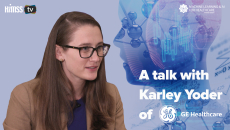
Karley Yoder, senior director of product, Edison AI at GE Healthcare, offers a preview of how the new Edison platform will improve workflow, clinical insight and patient satisfaction.
A multi-year agreement with the machine learning company will start with a tool to identify high-risk GI patients, eventially expanding to other high-burden diseases.

AI can help with recognizing patterns and diagnosis, but physicians still need to use clinical judgment and manage the patient as a person, says Colin Tan, associate professor of ophthalmology at Duke NUS Medical School.
Day Zero Diagnostics’ algorithm, ksim, promises to deliver a faster, more scalable, high-resolution approach for identifying hospital-acquired infection outbreaks, the company said.
Workforce Development
Accenture's Kaveh Safavi discusses healthcare's outsized spend on labor – and how machine learning, telehealth and consumerism are transforming how work is done and who does it.
Leonard D'Avolio, founder and CEO of Cyft, says machine learning is only a means to an end, helping organizations learn from data more quickly and intuitively.
A Frost & Sullivan report predicts that as many as 45% of ORs will be integrated with intelligent technologies within the next four years to improve the precision and predictability of surgical services.
Partners HealthCare Pivot Labs is enabling collaboration between hospitals, health systems and other stakeholders such as big tech and pharma, says digital health scientist Dr. Sujay Kakarmath.
The Flinders-based team created the AI program, called Search Algorithm for Ligands, and the technology behind the vaccine itself employs adjuvants, substances that enhance the body's immune response.