Artificial Intelligence
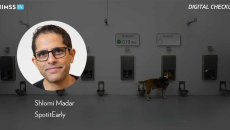
SpotitEarly helps detect cancer by using dogs’ sense of smell, AI technology and reward-based training that teaches dogs to know the difference between healthy and cancerous samples, CEO Shlomi Madar explains.

The recent extension of the Acute Hospital Care at Home waiver program brings stability, predictability and scores of opportunities for growth and innovation, says a home health physician at MGB.

National University Hospital CMIO Dr Ling Zheng Jye outlines the changes necessary for the National University Health System to effectively use data to bring forth innovations in quality and patient safety.
Every major EHR vendor now offers “AI in the EHR,” but some of these solutions may simply be repackaged automation functions. Health systems need a partner that can leverage true ambient clinical intelligence to improve clinician and patient experiences.

While global research shows a direct link between advanced digital maturity and better health and safety outcomes, a HIMSS26 session will dive into what still needs to be done on the frontiers of healthcare transformation.

New research from HIMSS and Guidehouse shows that more than half of hospitals surveyed say they're not yet able to deploy AI at scale. It highlights some steps providers can take to overcome a lack of operational readiness for artificial intelligence.
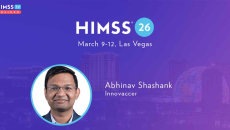
Innovaccer CEO and cofounder Abhinav Shashank previews the HIMSS26 panel where he'll join other unicorn founders to offer stories about their origins, early failures and breakthrough wins.

Now the global chief medical officer for Aidoc, Ehrenfeld will discuss how AI should be integrated into clinical systems.

New this month: Smart technology collaborations aim to enhance inpatient care, promote patient coordination and reduce clinical burdens with advanced AI.

Before healthcare organizations can embark on a meaningful AI journey, they need to first consider if their data and interoperability strategy is positioning them for future success.