News
SPONSORED
 |
10:11 am |
July 24, 2024
|
10:11 am |
July 24, 2024
|
10:11 am |
July 24, 2024
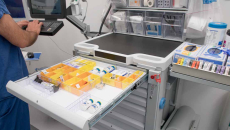
RFID and 2D barcode technologies give hospitals and health systems digital visibility that improves patient safety, data accuracy, waste reduction and cost savings.


Implementing AI in healthcare settings requires thoughtful consideration of the problems it aims to solve and a clear understanding of the potential impacts on clinical workflows and provider wellbeing, the digital health chief advises.

Some industry leaders are concerned about compliance time frames. Others say unstructured data won't be tapped to its fullest potential under the proposed rule.

Further, the health system's cardiac MRI services grew by 42% – which significantly improved access to specialized care for patients, says AdventHealth's VP of imaging services.

Since its botched Microsoft security update this past week, most healthcare organizations seem to be resuming normal operations. But one of the largest IT snafus ever shows that the industry must better prepare for third-party technology disruptions.

The deal, valued at $51 million, will bring more real-time image recognition technologies to GE's imaging portfolio, and could help hospitals with overburdened sonographers and radiology technologist shortages.

AmeriPro Health says its homegrown artificial intelligence-enabled predictive modeling technology is driving everything it does – and helping its hospital partners significantly increase their patient throughput.

CrowdSrike says the BSOD outage for Microsoft Windows was caused by a botched security update. It has resulted in surgical cancellations, ambulance diversions and other patient care disruptions at doctors' offices, ERs and hospitals around the globe.

At the upcoming HIMSS AI in Healthcare Forum, Chief Information and Digital Officer Sunil Dadlani will speak to other C-suite leaders about bridging the gap between artificial intelligence-enabled security and cyber defense.