Photo courtesy of Cabrini Health
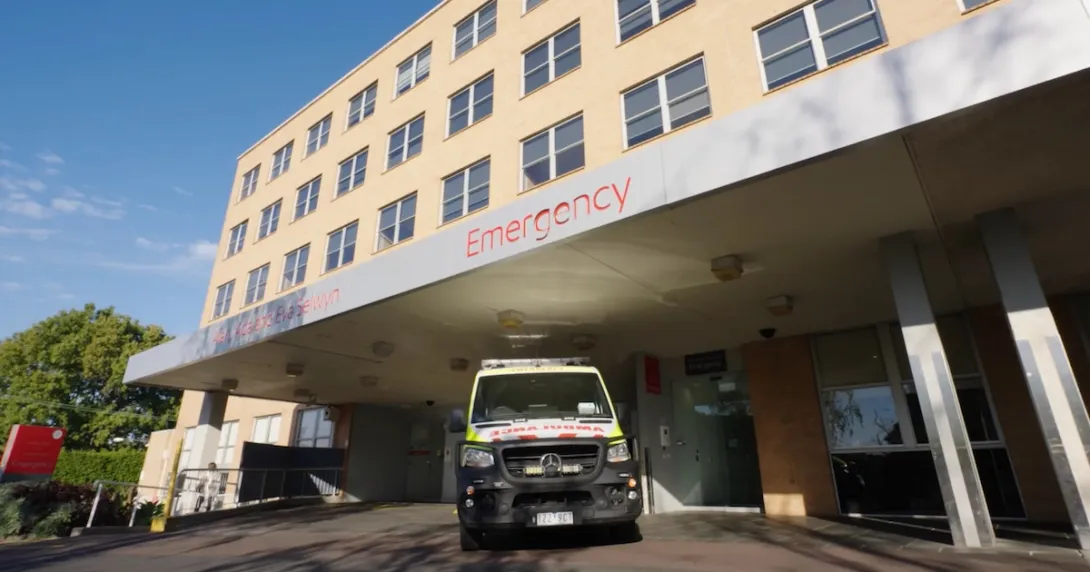
Catholic private health service Cabrini Health in Melbourne is implementing the use of an AI scribe in the emergency department for 12 months.
The health service has partnered with Australian startup Heidi Health to roll out the clinical documentation tool at its ED in Malvern, Victoria.
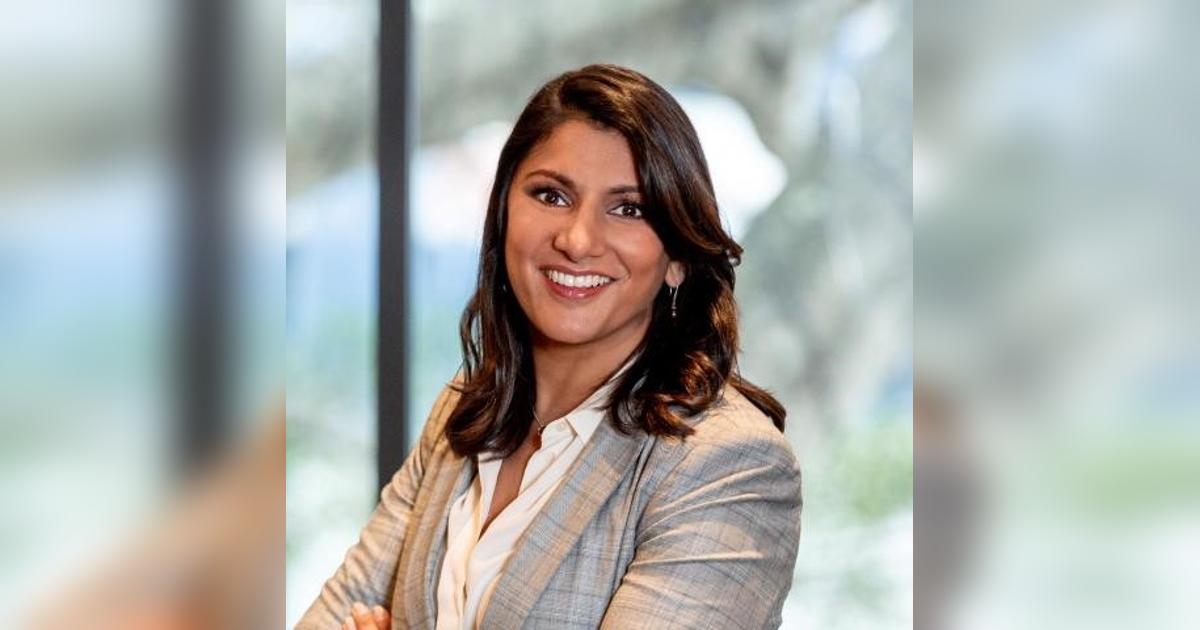
Medical and nursing staff will be involved in the implementation, Cabrini Health Emergency Medicine director Dr Ian Turner told Healthcare IT News. The AI scribe will also be deployed in the ED-led inpatient short stay unit.
Cabrini will be tracking outcomes in the following areas: documentation turnaround time, ED length of stay, patients seen per clinician, documentation accuracy, coding accuracy, staff satisfaction surveys, and patient experience surveys.
Cabrini did not need to integrate Heidi into their ED EMR. "Our doctors type their clinical notes directly into a free-text section of our EMR. When using Heidi, the doctors simply cut and pasted their AI-supported notes (after clinical review) into our EMR," explained Dr Turner.
The ED director added that every AI-generated note is reviewed by the clinician user, with regular audits to be conducted by independent senior ED clinicians. At the same time, Cabrini and Heidi are co-designing digitally secure clinical templates tailored for ED use.
"Template access is being tightened so only approved organisational versions are used, with version control being put in place. Any suspected inaccuracy will be flagged and reviewed centrally with the ED senior leadership team, with direct feedback to Heidi support," he said.
WHY IT MATTERS
Cabrini records about 25,000 presentations at its ED yearly, with about 43% or nearly 11,000 admitted, which is particularly high for a private service.
Adopting an AI scribe, it said, will help reduce administrative load for their clinicians, who are mostly senior medical staff and emergency registrars, redirecting more time to direct patient interaction.
In a month-long pilot in January, a group of ED clinicians trained on Heidi’s AI scribe used the tool for more than half of their patient consultations, resulting in an average of 31 minutes saved when entering clinical notes into the EMR.
ED care was completed 24 minutes earlier, and no adverse clinical events or negative patient feedback were reported.
Cabrini also noted strong clinician adoption and high support, with 97% saying they wanted continued access to the AI scribe.
There was no significant variation observed across presentation types or clinicians in the use of the AI scribe during that pilot, added Dr Turner.
When asked about the possibility of further extending the AI scribe use across Cabrini after a year, Dr Turner said the decision "will rely on demonstrating a clear return on investment, and the findings will guide decisions about extending the technology into other areas."
Cabrini is also currently focused on AI scribes, said the ED director.
THE LARGER CONTEXT
Since relaunching in 2021 as Heidi, the startup formerly known as Oscer has grown into a company now worth over $450 million, operating across Australia, New Zealand, the United States, Canada, and the United Kingdom. It closed a $65 million Series B funding round in October, and has outlined plans to expand into Ireland, France, Spain, South Africa, Hong Kong, Germany and Singapore.
Its popular AI scribe has been formally endorsed in New Zealand, where it is being distributed by Hendrix Health and is currently being piloted across public emergency departments.
ON THE RECORD

Director, Emergency Medicine
Cabrini Health
"Our emergency clinicians juggle significant administrative demands alongside their clinical work, and we're always looking for ways to reduce that burden to improve the experience for both staff and patient," said Dr Turner.
"When clinicians piloted Heidi, we found clinical documentation was completed earlier, nursing staff received plans sooner, and patients who required admission were ready to move to the ward faster. Equally as important, our clinicians told us they felt happier at work and more able to focus on patients," he claimed.