Artificial Intelligent
Artificial Intelligent
Artificial Intelligent
Artificial intelligence (AI) is increasingly permeating medical imaging, but its integration into clinical practice will depend on the capacity of AI technology to facilitate workflow. How far has radiology advanced on this path? Insights asked a leading expert to find out.

Artificial Intelligent
Douglas Reding, Chief Medical Officer for Ascension Wisconsin and practicing oncologist, talks about Ascension's journey with its precision medicine task force, the need for AI support and the future of AI and machine learning.
Artificial Intelligent
The government should build on existing artificial intelligence R&D plans, instead of starting over from scratch, the health informatics group said.
Artificial Intelligent
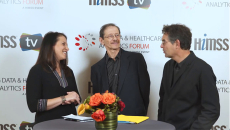
John Halamka, CIO of Beth Israel Deaconess Medical Center, and Paul Cerrato, Contributing Writer, Medscape, Medpage Today, discuss how AI and big data can help make personalized medicine a reality.
Artificial Intelligent
AI is already having a big impact, but strategic planning is not keeping pace and healthcare organizations need to be proactive about developing tools now.
Mobile Health IT
What IT shops and clinicians should expect in 2019: plenty of tech failures.
Artificial Intelligent
Fighting the United States' abysmal maternal and fetal mortality problems, Baylor College of Medicine is applying artificial intelligence to aid physicians at key moments.
Quality & Safety
In a bipartisan new report on artificial intelligence, Rep.
Analytics
The machine learning model uses 600 variables with patient's data whereas human-constructed models made predictions based on 27, researchers say.