EMEA News
SPONSORED
 |
07:57 am |
October 24, 2024
|
07:57 am |
October 24, 2024
|
07:57 am |
October 24, 2024
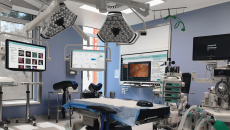
ORs are high-risk, high-cost environments where patient safety depends on the clinician’s ability to predict surgical risk. The Caresyntax surgical intelligence platform promises personalised interventions, tailored treatments and improved outcomes.
SPONSORED
 |
05:38 am |
July 15, 2024
|
05:38 am |
July 15, 2024
|
05:38 am |
July 15, 2024
As it introduces new capabilities for its healthcare network security platform, Palo Alto Networks aims to improve the detection and visibility of rapidly multiplying medical IoT devices, reducing the threat of cyber-attacks in medical settings.

SPONSORED
 |
08:45 am |
July 08, 2024
|
08:45 am |
July 08, 2024
|
08:45 am |
July 08, 2024
Healthcare delivery is entering an age of redefinition. As industry leaders gathered in Dubai for the HIMSS Executive Summit, one key discussion examined how new technologies enable clinical transformation and device integration in acute care practice.

This marks the Australian company's expansion into Saudi's private health sector after cementing its presence in its public health system.
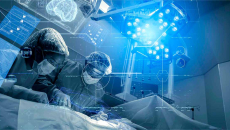
Using 14 key performance indicators (KPIs), decision-makers receive an overview of surgeon performance. This increased transparency aims to enhance the quality of care and identify potential areas for improvement.

A harmonised European Health Technology Assessment Regulation (HTAR) is set to come into force in 2025, but the mandatory application of the regulation does not cover digital health technologies. The EDiHTA Project aims to address that.

To build trust in technology, healthcare workers and patients must understand it. Prof. Dr. Georgi Chaltikyan advocates for micro-courses and digestible educational content.

HIMSS24 Europe
People respond differently to medications. Prescribing could be optimised through pharmacogenomic testing, which could reduce medication waste, notes Clinical Innovation Lead for the University of Manchester Videha Sharma.

HIMSS24 Europe
Digital transformation of healthcare not only requires investments in digital technology, but also in digital health literacy. This must be coordinated across three critical levels: individual, institutional and policy-making.

HIMSS24 Europe
Christine Antorini, former Danish education minister, believes that innovative education and job strategies could harness a growing interest in healthcare careers. She began nursing at 58.