
Mike Miliard

Rachel E. Patzer, current director of the Health Services Research Center at the Emory University School of Medicine, will take the reins at the Indianapolis-based biomedical informatics leader.

A lack of quality clinical data is hindering machine learning models for oncology and other treatments, says Steve Irvine, CEO of integrate.ai, who describes how federated learning approaches can enable secure access to a wider array of datasets.

The collaboration will see five of the biggest health data exchanges in the U.S. working with the planned Qualified Health Information Network on the interoperability framework.
The program, called Transform, will help tech startups with a focus on machine learning, data engineering, analytics, healthcare, biotech, cybersecurity, IoT and more.

Patient identity is a great weakness in healthcare infrastructure, according the physician informaticist who led the algorithm research, which is aimed at boosting interoperability and patient safety.

IDC Health Insights recently published its 2023 Worldwide Healthcare Predictions report. Mutaz Shegewi, the firm's research director, unpacks those findings.
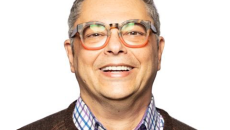
With its spinoff now complete, it's hired the machine learning expert – who has leadership experience in the private sector, at Amazon and in government at the FDA – to help develop new approaches to analytics and personalized care.

Regulatory difficulties, workforce shortages, financial pressures, evolving patient expectations, an aging population and more will combine to make the next year uniquely challenging, say tech company CEOs, but they're challenges that can be met.

Tom Leary, Valerie Rogers and David Gray of the HIMSS Government Relations team unpack what the federal and state ballot results will hold for health policy going forward.

But "hard work continues, as we persist in pressing telehealth permanency and creating a lasting roadblock to the telehealth cliff," the group said.