
Andrea Fox

The federal agency has been receiving performance data from a cohort of funded health centers testing data exchange through standards-based APIs, according to ONC's USCDI program and the UDS Test Cooperative.

The simulated cybersecurity attack on an artificial intelligence-enabled system enabled participants to hone their information-sharing and incident response skills. It underscored the need to ensure secure-by-design products, said CISA's Jen Easterly.

The Margo initiative is developing an open standard to scale data exchange across multi-vendor environments and help organizations automate interoperability with edge applications, devices and software.

The genetic testing company used GPT-4o to create an artificial intelligence-driven tool that helps doctors create screening plans based on patient data, including personal risk factors and family history.

"Healthcare organizations cannot rely on legacy technologies to detect and respond to today’s attacks," says Ricardo Villadiego, CEO of cybersecurity firm Lumu.

A cyberattack investigation has found that files were stolen during the May incident, some of which "may contain" protected health information and personally identifiable information, the health system says.

Collaborations and integrations aim to streamline access to patient medical histories via national networks, drive more proactive pediatric care, expand behavioral telehealth and pioneer more hospital automation.
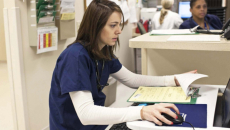
A cohort of nurses are trialing generative artificial intelligence to draft responses to patient messages in Epic's MyChart patient portal.

"Doctors have specific ways they like to document information," says Dr. Dean Dalili, chief medical officer of DeepScribe, who describes why personalization is a must when using ambient AI note-taking to reduce burnout.

Using the FHIR standard can help organizations like the VA connect rapidly to drug data, which paves the way for real-time surveillance that improves patient safety and identifies adverse events tied to medication.