
Andrea Fox

The implementation of the Oracle electronic health records system at the Ohio Veterans Affairs medical center is expected to be completed by June 1, 2026.

Also: Three partners will combine advanced analytics, social risk assessments and actuarial validation to measure the impacts of SDOH interventions.

The mass layoffs have severely undercut essential IT, policy and contracting functions, and sources say they fear critical expertise has been lost. The government could hire contractors to fill the gaps, putting ousted employees in an ethical bind.

Its newest report tracking rates of artificial intelligence adoption shows significant maturity in large acute care providers. Key use cases include clinical decision support, documentation automation and workflow efficiency.
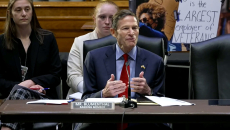
After staff and program cuts at the U.S. Department of Veterans Affairs, lawmakers showcased how the loss of funding and employee expertise could affect care delivery for vets, data security for patients and more.

Additional medical facilities in Ohio, Kentucky, Indiana and Alaska will be part of the next round of the federal Electronic Health Record Modernization, according to the U.S. Department of Veterans Affairs.

In their letter to Robert F. Kennedy, Jr., lawmakers requested written responses to a list of questions and a "detailed, staff-level briefing" from those "responsible for developing and executing" the reorganization and reduction in force.

Cybersecurity In Focus
Improving cybersecurity despite resource challenges requires small healthcare providers to pull many support levers. "We need to move away from the idea that each rural hospital is solving these issues alone," says one infosec leader.

The merger of American Telemedicine Association's advocacy arm with DTA will create the Advancing Digital Health Coalition, a combined policy and advocacy platform focused on advancing new technologies with the potential to transform patient care.

Researchers and developers have announced artificial intelligence tools that aim to shrink the time mental health providers spend on administrative tasks, provide faster triage, support clinical decision-making and improve patient access.