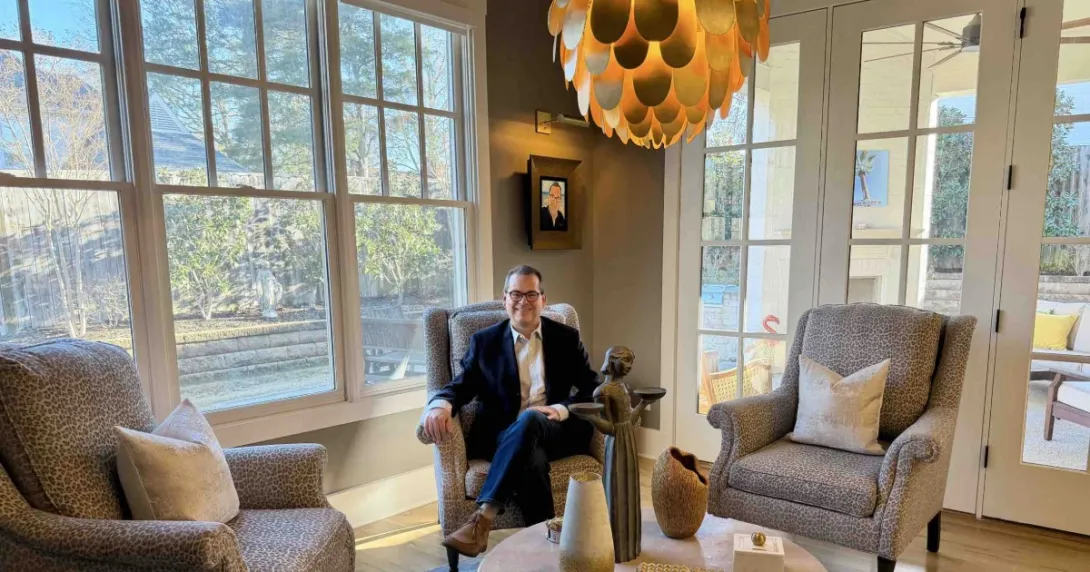
Dr. Brian Carpenter, chief medical officer at Sound Physicians
Photo: Dr. Brian Carpenter
Caring for older adults through telehealth requires different levels of flexibility and support. Digital literacy among seniors varies widely. Some people are highly comfortable with technology, while others have limited experience with video platforms or mobile devices.
That variability makes it less predictable than working with younger patients, who generally have more consistent familiarity with digital tools, said Dr. Brian Carpenter, chief medical officer at Sound Physicians. As a result, telehealth programs serving seniors must be intuitive, adaptable and supported by clear guidance.
Sound Physicians is a telemedicine practice with a team of 160 physicians, nurses, medical assistants and administrators who deliver virtual care to 300 skilled nursing facilities, 150 home health markets, 30 hospitals and 15,000 long-term care Accountable Care Organization (ACO) covered lives.
"In long-term care settings, the model itself is also different," he explained. "Many of the most medically complex seniors are facility-based, which means telehealth typically involves a telepresenter, often a nurse or licensed practical nurse, who facilitates the visit. This adds an important third participant to the encounter and introduces operational considerations around staff availability and workflow.
"While the services delivered may fall into similar categories as those for younger patients, such as preventive care and urgent evaluation of changes in condition, the goal in long-term care is often stabilization and treatment in place. When used in close collaboration with facility staff, telehealth can help prevent unnecessary hospital transfers and drive higher-quality care."
Healthcare IT News sat down with Carpenter to discuss telemedicine and long-term care.
Q. Why do you believe telehealth must be tailored to the needs of long-term care residents to be truly effective for this vulnerable population?
A. Telehealth must be designed with the realities of LTC in mind. Digital literacy among residents spans a broad spectrum, so platforms must be simple, intuitive and accessible. Systems that are overly complex risk limiting engagement and reducing clinical impact. By designing technology that meets users at a practical baseline, LTC providers can ensure more consistent participation and a smoother experience for residents and staff.
Equally important is the role of the facility team. In LTC, a busy nurse often initiates and supports the telehealth visit, so the technology must align with existing workflows. Seamless integration with electronic health records, for example, reduces manual data entry and lowers friction. We have seen that when the process is streamlined and user-friendly, adoption increases significantly.
Hardware considerations matter, as well. The industry has evolved from large, cart-based systems to lightweight tablets that are easier to deploy, cheaper and less daunting for residents – particularly those who may already be confused or not feeling well.
Tailored services such as remote patient monitoring can further support outcomes by extending clinical oversight in between routine nursing assessments, which is especially valuable in an environment where persistent staffing constraints are the norm.
Q. What are a couple of the challenges of scaling telehealth across a diverse network of long-term care facilities?
A. One of the most significant challenges in scaling telehealth across LTC is stakeholder alignment. Executive leadership may clearly see the strategic value of after-hours coverage and clinical support, but successful implementation depends on engagement from frontline nursing staff and facility-based medical providers.
Without early and consistent communication about the purpose of the program and how it supports existing teams, adoption can lag. Physicians and advanced practice providers must also understand that telehealth is intended not to replace their role but to complement their care, reduce burden and enhance resident management.
Competing priorities present another barrier. Many facilities operate under tight staffing conditions and are simultaneously managing other initiatives such as EHR transitions or infrastructure upgrades. Even when leadership is supportive, timing and operational readiness matter.
Telehealth deployment must be thoughtfully coordinated to avoid overwhelming staff or competing with other major projects. Addressing these factors proactively improves the likelihood of sustained utilization and long-term success.
Q. What do you believe is the key to enhancing patient satisfaction, experience and outcomes with telehealth?
A. A strong infrastructure foundation is essential to a positive telehealth experience. Reliable broadband connectivity and adequate WiFi coverage are fundamental to high-quality video encounters. When technology fails during a clinical interaction, it erodes trust and satisfaction for both residents and staff.
While broadband access has improved nationally, gaps remain, particularly in rural communities. In those situations, telephone-based encounters can provide interim support, but they do not fully replace the benefits of a comprehensive video evaluation.
Improving outcomes also depends on meaningful utilization and data-driven collaboration. For telehealth to reduce avoidable hospitalizations, providers must be engaged early, before a resident is transferred out of the facility.
Tracking patterns such as missed opportunities for consultation or stabilization visits after hospital discharge allows for targeted education and process improvement. By partnering closely with facilities and aligning data with actionable steps, telehealth programs can enhance the resident experience, support clinical teams, and reduce unnecessary admissions and readmissions.
Follow Bill's health IT coverage on LinkedIn: Bill Siwicki
Email him: bsiwicki@himss.org
Healthcare IT News is a HIMSS Media publication.
WATCH NOW: Data management underlies value-based contracts


