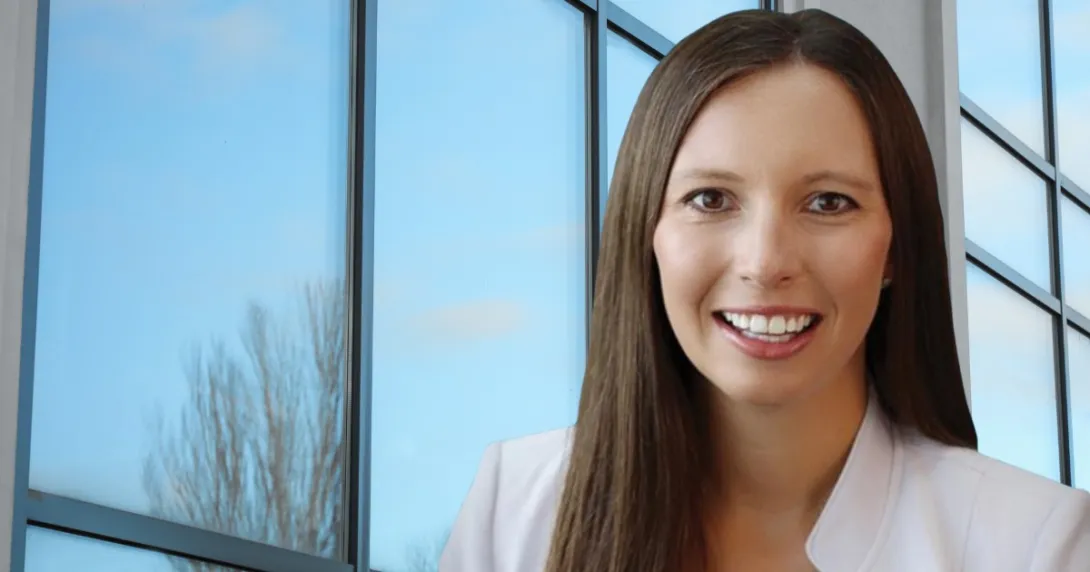
Dr. Claire Smith, regional medical officer at SCP Health and a practicing hospitalist in Missouri
Photo: SCP Health
Under normal hospital operations, patient flow is relatively steady and predictable. Hospitalists have balanced census loads; ED admissions arrive at a manageable pace; and there is adequate time for thorough evaluations, care coordination, family communication and discharges.
Multidisciplinary rounds function as intended, and clinicians can be both efficient and present while delivering high-quality, compassionate care without feeling rushed.
However, healthcare is rarely static, and challenging operations arise when that predictability breaks down. These situations often include:
- Sudden surges in ED arrivals, such as seasonal illness spikes, local events and outbreaks.
- Multiple high-acuity admissions arriving simultaneously.
- Staffing gaps due to illness, turnover or unexpected absences.
- Throughput bottlenecks, including delayed discharges and limited bed availability.
- Nighttime or weekend coverage strain with limited in-house resources.
"In these moments, even the strongest teams can become stretched thin," said Dr. Claire Smith, regional medical officer at hospital medicine company SCP Health and a practicing hospitalist in Missouri. "Hospitalists may face rising census, competing priorities and feel rushed with patients.
"This is where additional hospitalist support becomes essential, not just to manage volume but to preserve the standard of care, ensure timely decision-making, and maintain the human connection patients and families deserve," she added.
This is yet another situation in which telemedicine can help in significant ways. Healthcare IT News spoke with Smith to discuss the value of tele-hospitalists.
Q. So, what can tele-hospitalists do in these situations when ED arrivals, for example, soar?
A. When ED arrivals surge and demand exceeds on-site capacity, tele-hospitalists can serve as an immediate extension of the care team, helping to absorb volume and stabilize operations.
Tele-hospitalists support in at least five critical ways.
- They can expedite admissions, when appropriate, by quickly evaluating ED patients and placing admission orders, reducing boarding times. This allows patients to move out of the emergency department and into a quieter, more ideal setting for rest and healing.
- They can support high-acuity care by assisting with rapid clinical decision-making alongside bedside teams.
- They can manage cross-cover responsibilities (after-hours triage, urgent clinical management and emergency response), allowing on-site clinicians to focus on the sickest patients.
- They can improve throughput by prioritizing discharges, completing documentation and coordinating care plans. On-site physicians should focus on efficiently transitioning hospitalized patients to the next appropriate setting, whether this be home, rehabilitation or assisted living. By allowing tele-hospitalists to manage incoming patients during surges, on-site staff can advance patient care in a timely manner.
- They can enhance communication with patients and families when bedside teams are stretched thin, by providing timely touch points. Even in high-capacity situations, physicians and tele-hospitalists prioritize patients in moments that matter most and ensure they feel comfortable with and understand their diagnosis, treatment and discharge plan.
Importantly, tele-hospitalists help protect the bandwidth of on-site clinicians so they can remain focused, present and compassionate.
Q. Please describe examples where tele-hospitalists were essential and successful.
A. Two examples come to mind. In one instance, a hospital medicine program experienced an unexpected influx of critically ill patients. While bedside staff managed hands-on care, a tele-hospitalist quickly stepped in to coordinate clinical decision-making, such as reviewing labs, guiding escalation of care, and supporting a complex resuscitation in real time.
This is possible because the tele-hospitalists can interpret heart rhythms and provide direct communication to bedside nursing on medication administration, CPR quality and subsequent steps to revitalize the patient. The collaboration allowed the team to act decisively and cohesively, contributing to a successful patient outcome.
At another hospital, a sudden spike in ED volume led to prolonged boarding times and delayed admissions. Tele-hospitalists began rapidly evaluating patients, placing admission orders and initiating care plans. Within hours, the backlog began to clear. ED throughput improved, patients received timelier care, and bedside clinicians were able to refocus on the most critical cases rather than being overwhelmed by volume.
In both cases, the key impact was not just efficiency, it was restoring control, clarity and calm during high-pressure moments, which directly supports more compassionate care.
Q. Beyond surge response, how can the tele-hospitalist model help, for example, rural hospitals?
A. Tele-hospitalist models can be transformative for rural hospitals and smaller facilities.
It helps sustain access to inpatient care locally, allowing patients to remain in their community rather than being transferred unnecessarily. This is especially meaningful for patients and families who value proximity and continuity, as transfers can create additional financial burdens. Tele-hospitalists also provide:
- Clinical support and collaboration for local providers who may otherwise practice in relative isolation. SCP Health's tele-hospitalists have the ability to closely collaborate and support solo advanced practitioner provider models. This enables enhanced collaboration between physicians and nurse practitioners and physician assistants to support high-quality patient care and allows all clinicians to practice to the full scope of their license.
- Flexible staffing models, helping hospitals cover nights, weekends or vacancies, without overburdening a small team. My clinical workplace previously operated under a 24/7 call model, meaning physicians provided in-person care during the day, then managed calls and admissions from home overnight, often returning to the hospital as needed for urgent cases. Since integrating the tele-hospitalist program, I can focus on daytime patient care and collaborate directly with tele-hospitalists for overnight patient needs. This shift has elevated the quality of care for patients and enhanced support for nurses throughout the night.
- Improved clinician retention by reducing burnout and creating more sustainable schedules. Utilization of tele-hospitalists offers physicians and advanced practitioners flexibility within their schedule, providing a better work-life balance. Rural physicians often are called upon to work many weekends and most holidays. A tele-hospitalist program reduces the need for ongoing overnight shifts.
- Access to broader expertise, supporting confidence in managing more complex patients locally. In addition to tele-hospitalists, rural hospitals are seeking expertise in tele-critical care, tele-neurology and other subspecialty services, allowing patients to receive care within their community.
Ultimately, tele-hospitalists strengthen, not replace, local care teams, ensuring that regardless of hospital size or location, patients receive high-quality care when they need it most.
Follow Bill's health IT coverage on LinkedIn: Bill Siwicki
Email him: bsiwicki@himss.org
Healthcare IT News is a HIMSS Media publication.
WATCH NOW: Closing the medication information gap with AI


