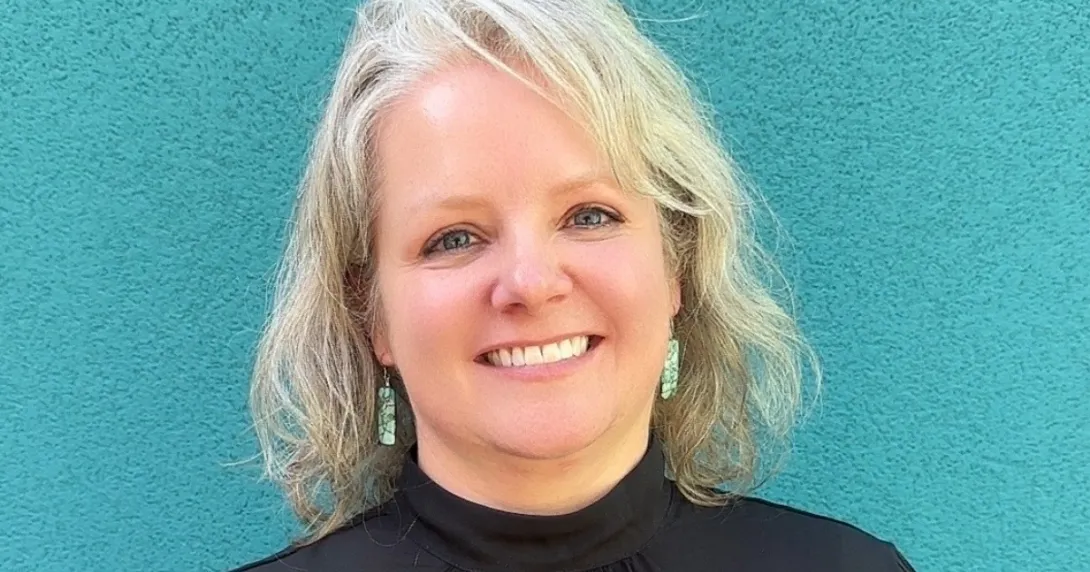
Dr. Kari Yacisin, a physician at the University of New Mexico and previously at the CDC
Photo: Dr. Kari Yacisin
In these days of artificial intelligence spreading across healthcare administrative and clinical settings, hospitals and health systems must carefully adopt innovation and protect the humanity of healthcare.
On the innovation front, leaders, workers and the healthcare organizations they work for are going to go through a transformation with AI – and transformation demands change management.
Dr. Kari Yacisin, a physician at the University of New Mexico and previously at the CDC, will be leading a workshop on this subject titled "Empowering Providers, Protecting Humanity: Leading Artificial Intelligence Adoption in Healthcare Workplaces" at the 2026 HIMSS Global Health Conference & Exhibition in March in Las Vegas.
Do not erode clinician trust
"The workshop focuses on a growing but under-addressed challenge in healthcare: How can organizations adopt artificial intelligence in ways that improve care without eroding clinician trust, autonomy or well-being?" she asked. "As AI tools move rapidly from pilots to everyday clinical and operational use, many health systems may find that technical readiness does not equal human readiness.
"In this workshop, participants will reflect on what humanity in healthcare means to them, understand the principles of organizational change, and identify ways they can influence their organizations and advocate for responsible and ethical adoption of AI that promotes both patient care and the humanity inherent in healthcare workers," she continued.
For HIMSS26 attendees, this topic is especially timely. Clinicians already work in a fast-paced, often throughput-driven environment, where burnout is common.
"AI is increasingly perceived as a solution but may be another source of pressure," Yacisin observed. "Without a focus on transparency, governance and meaningful clinician engagement, even well-intentioned AI tools may exacerbate burnout, introduce bias or undermine trust.
"This workshop is for attendees who want to better understand the core principles of organizational behavior, apply those principles to assess readiness and resistance to change in their organizations, and identify actions they can take to advocate for artificial intelligence use in healthcare that supports healthcare workers as healers," she added.
Forces of change
Participants in the workshop will reflect on the external and internal forces of change that they and their healthcare organizations experience and how AI tools may or may not address some of the forces, she said.
"Participants will understand John Kotter's eight-step model for leading organizational change and identify where they can advocate for human-centered change in their organizations," she explained.
"One key takeaway from this workshop is that successful AI adoption is fundamentally an issue of change management and not just a technology initiative," she concluded. "Frameworks for change management exist and can support attendees in assessing their organizations' readiness for new AI tools, and attendees can ask the right questions to advocate for responsible and ethical AI adoption that supports healthcare's focus on humanity."
Dr. Kari Yacisin's session, "Empowering Providers, Protecting Humanity: Leading Artificial Intelligence Adoption in Healthcare Workplaces," is scheduled for Tuesday, March 10, from 11:30 a.m. to 12:30 p.m. in San Polo 3501A/Level 3 at the Venetian at HIMSS26 in Las Vegas.
Follow Bill's health IT coverage on LinkedIn: Bill Siwicki
Email him: bsiwicki@himss.org
Healthcare IT News is a HIMSS Media publication.
WATCH NOW: How can an IT exec become a chief AI officer – and then work with the C-suite


