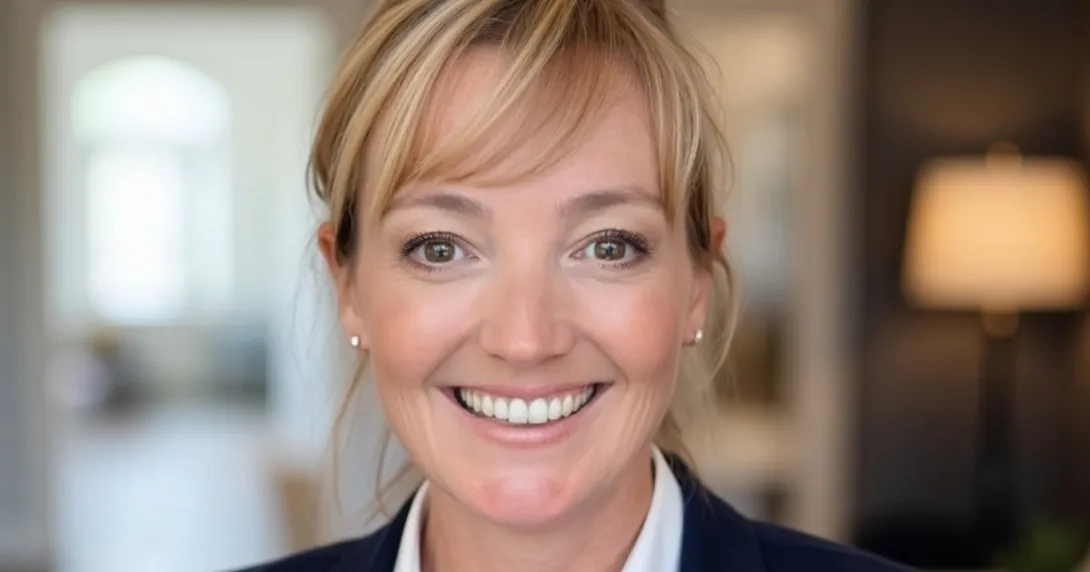
Casey Bateman, office manager at Main Street Medical
Photo: Main Street Medical
Main Street Medical, a primary and urgent care practice in South Carolina, had a big challenge: the relentless volume of phone calls and voicemails.
THE CHALLENGE
The phones rang constantly during business hours, and after-hours calls automatically rolled to voicemail, where messages piled up faster than staff could ever hope to return them.
"It was common to walk into the office each morning with 10 or more voicemails waiting before we even opened our doors," recalled Casey Bateman, office manager at Main Street Medical.
"Throughout the day, we had a staff member dedicated solely to checking and rechecking messages, yet we were still struggling to keep up. Patients were frequently placed on hold, sometimes hung up out of frustration, and then waited hours – or even days – for a callback.
"Much of the call volume centered on routine but time-consuming requests: prescription refills, appointment scheduling, office hours, directions and lab-related questions," she continued.
"Refills were the biggest pain point. Staff would listen to voicemails, transcribe messages, create a telephone encounter in the EHR, and then route it to a provider before the refill could even be addressed."
There often was additional back-and-forth with pharmacies or patients to clarify details, which added even more time. With six providers supporting more than 3,000 patients, demand was steady and intense, and these manual workflows consumed a significant portion of the day.
"The cumulative effect was a team that felt perpetually behind," she said. "Even with careful staffing, we were in a constant cycle of catching up on calls, documentation and refill coordination. Time that we wanted to spend on patients was instead diverted to managing phone traffic and administrative follow-up.
"The operational strain was not due to a lack of effort, far from it," she added. "It was a system that couldn't keep pace with the needs of our patient population, no matter how hard our team worked."
PROPOSAL
Bateman said the healow Genie system was presented to staff by vendor healow as an "always-on helper" that would serve as a consistent, reliable first point of contact for patients.
"The proposal was that it would immediately answer common questions, handle routine requests such as appointment scheduling and prescription refills, and reduce the need for patients to wait on hold or leave voicemails," said Bateman. "In doing so, it would decrease overall phone volume while simultaneously expanding access to care support.
"Importantly, the system was designed specifically for healthcare settings and vetted by clinicians, and it supports both inbound and outbound workflows, not just basic call answering," she continued. "The goal was to free up staff to focus on in-office patients and more complex clinical or administrative responsibilities."
Main Street Medical considered a few vendors. What differentiated Genie from other systems, Bateman said, was its direct integration with the organization's eClinicalWorks electronic health record.
"Previously, we relied on third-party platforms that were not integrated with our EHR, leading to scheduling conflicts, duplicate work and inefficiencies," she explained. "The fact that this system was built into the existing EHR infrastructure eliminated the need for disconnected systems and manual reconciliation.
"The biggest selling points for our practice were its ability to help manage refills, streamline appointment scheduling, and reliably answer after-hours calls – areas that were creating the most strain on our team," she added.
The hope was that the new system would significantly reduce the constant volume of phone calls and administrative interruptions.
"We envisioned success by reducing the amount of staff time spent managing calls, refills and appointment logistics, allowing our team to redirect their energy toward higher-value patient care activities," she noted.
"In theory, if technology could absorb routine tasks and provide patients with timely, accurate responses, it would create a calmer, more focused in-office environment and improve overall quality of care."
MEETING THE CHALLENGE
The practice implemented healow's Genie system as both a patient-facing and practice-facing technology, fully integrated with the eClinicalWorks EHR.
"Before, a typical day involved constantly checking voicemail, juggling live calls and hiring additional staff specifically to answer phones," Bateman recalled. "Appointment scheduling was managed through a third-party platform that did not sync with our EHR, which often resulted in patients booking time slots that were no longer available.
"This created duplicate work, manual tracking, and frequent back-and-forth with patients," she added. "With Genie integrated directly into the EHR, scheduling, prescription requests and documentation now flow seamlessly into the electronic record.
"This integration has reduced duplicate data entry, minimized clicks, eliminated much of the manual tracking, and ensured documentation is accurate and up to date in real time."
In daily workflow, the new system now serves as the first line of response. All office staff, including front desk and clinical team members, use the system – with front-office staff accessing it through individual headsets.
"We currently operate with three seats – down from four after the first four months, once patients became comfortable with the system," she explained. "Genie handles routine needs such as appointment scheduling, prescription refill requests, and answering common questions about the practice or a patient's medical record. Staff step in only for more complex or clinically nuanced situations. This shift allows the team to focus their time and attention where it's most needed.
"One positive surprise was how quickly both patients and staff adopted the system," she continued. "While we initially anticipated a longer learning curve, many patients have embraced automation and appreciate being able to accomplish tasks without waiting on hold for a live person. The ability to schedule appointments or request refills instantly, especially outside of normal business hours, has been particularly well received."
Internally, staff quickly recognized the efficiency gains and reduced phone volume, which made the transition smoother and reinforced how well the new system fits into their day-to-day operations, she added.
RESULTS
Since implementing the new system, Main Street Medical has seen measurable improvements in call handling and patient access.
"We receive approximately 4,500 calls per month, and Genie now handles 76% of those calls end-to-end without staff intervention," Bateman reported. "Most notably, it answers 100% of after-hours calls, which previously went straight to voicemail. This has dramatically improved patient access and responsiveness, ensuring patients can get the information or support they need at any time. The ability to provide 24/7 coverage has strengthened patient trust while significantly reducing missed opportunities and delayed responses.
"The impact on staff efficiency and prescription management has been equally significant," she continued. "We've experienced an 80% reduction in administrative burden, with at least two hours saved per day, often more depending on patient volume. Prescription refills alone account for more than 30 staff hours saved."
The technology provides clear visibility into who submitted refill requests and when, creating better tracking and accountability, she added.
"Patients report that refill requests are routed accurately and that expectations around timing are clearly communicated, resulting in fewer follow-up calls and callbacks," she said. "Importantly, this has reduced staff burnout and allowed the team to focus more on direct patient care rather than repetitive administrative tasks.
"We have also seen meaningful growth in appointments and overall patient satisfaction," she continued. "Scheduled appointments increased by 16.5%, driven in part by easier scheduling and 24/7 self-service options for booking appointments and refilling medications. Patients across age groups – including those in their 80s – have adopted the technology readily, demonstrating broad accessibility and ease of use."
By removing friction from scheduling and prescription processes, the technology has improved patient experience while simultaneously supporting practice growth and operational efficiency, Bateman concluded.
Follow Bill's health IT coverage on LinkedIn: Bill Siwicki
Email him: bsiwicki@himss.org
Healthcare IT News is a HIMSS Media publication.
WATCH NOW: How to surmount inconsistent, duplicate records


