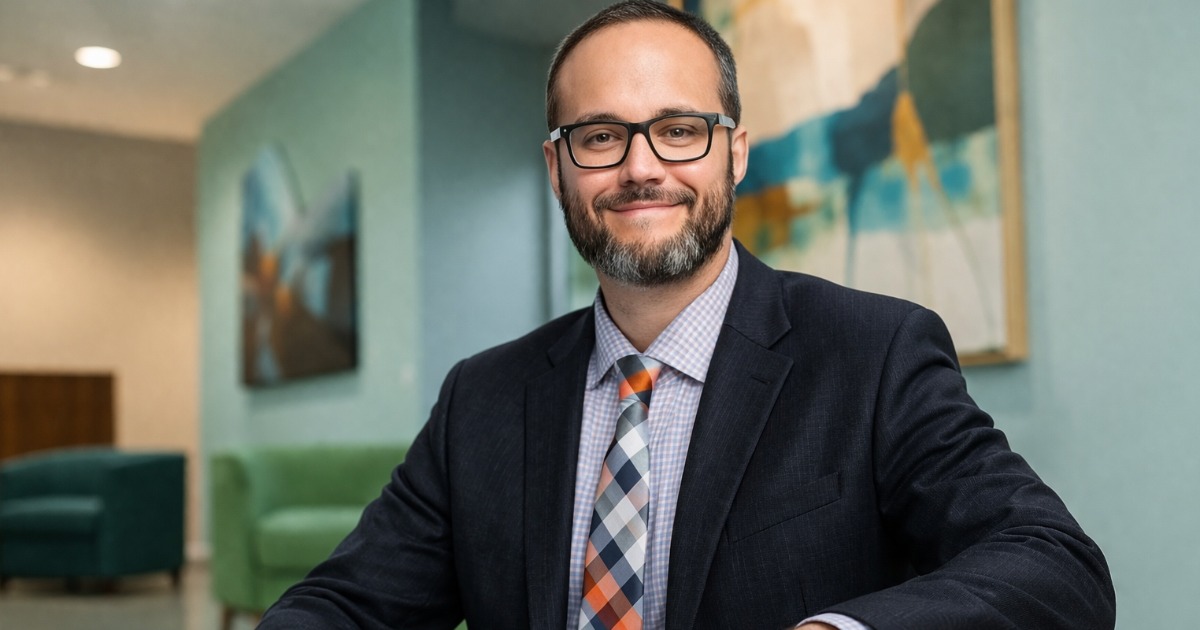
Beth Meese, executive director of IT, digital health and enterprise EMR at the Cleveland Clinic
Photo: Beth Meese
Artificial intelligence systems exploded in healthcare in 2025. Now, hospitals and health systems must learn to distinguish between hype and tools that can truly transform operations.
The world-renowned Cleveland Clinic rigorously evaluated, implemented and scaled ambient AI across more than 80 specialties – not just as one application but as a strategic initiative to reduce administrative burden, augment clinician workflows and transform system performance.
Aiming for ambient AI success
Beth Meese is executive director of information technology, digital health and enterprise EMR at the Cleveland Clinic.
At the upcoming 2026 HIMSS Global Health Conference & Exposition, scheduled for March 9-12 in Las Vegas, she is set to speak during an educational session titled, "From Evaluation to Scale: A Blueprint for Ambient Artificial Intelligence Success."
"This session will focus on the real-world use of ambient clinical documentation in ambulatory care and how it can meaningfully reduce physician documentation burden while improving quality of life and the patient experience," Meese said.
"This is relevant right now as we are all managing the same challenges," she added. "Like the Cleveland Clinic, HIMSS26 attendees are navigating increasing clinician burnout, staffing shortages and growing documentation demands – all while being asked to deliver more patient-centered care.
"Ambient technology has generated significant interest across healthcare, but many organizations are still unsure how to move beyond pilots and into expanded and trusted use," she continued. "This session addresses that uncertainty by sharing practical lessons from both our multivendor evaluation and our successful enterprise deployment that delivered measurable results."
Attendees will hear how the organization approached ambient documentation as a workforce and care delivery strategy rather than just a new piece of technology, and why that mattered in helping staff achieve adoption and long-term value for providers, she added.
Five-vendor pilot
"We will highlight our five-vendor ambient documentation pilot in the ambulatory setting and how it translated into everyday clinical practice," she noted. "Ambient technology passively captures the clinician-patient conversation during the visit and generates structured clinical documentation directly in the electronic health record.
"This allows physicians to stay engaged with their patients instead of focusing on the computer," she continued. "Clinicians review and finalize notes efficiently, often the same day, without the need for extensive after-hours documentation."
Meese will share how Ambience emerged as the vendor of choice based on clinician trust in note quality, ease of use across multiple specialties and consistent reductions in documentation time. She also will discuss the operational and change-management strategies that supported success, including clinician champions, realistic success metrics and leadership alignment.
"This real-world example demonstrates how ambient documentation works in practice and what it takes to move from pilot to sustained adoption," she said.
Clinician trust, leadership support
One key takeaway of the session will be that ambient documentation succeeds or fails based on clinician trust and leadership support, she added.
"Attendees will learn that evaluating ambient systems requires looking beyond feature sets and technical capabilities to focus on the lived experience of physicians," Meese said. "Measuring improvements in quality of life, documentation time and engagement proved far more predictive of success than traditional IT metrics alone. This insight will help attendees return to their organizations better equipped to select, implement and scale ambient technology in a way that truly supports clinicians."
Meese's session, "From Evaluation to Scale: A Blueprint for Ambient Artificial Intelligence Success," is scheduled for Tuesday, March 10, from 3:30-4:30 p.m. in Level 5 Palazzo N at HIMSS26 in Las Vegas.