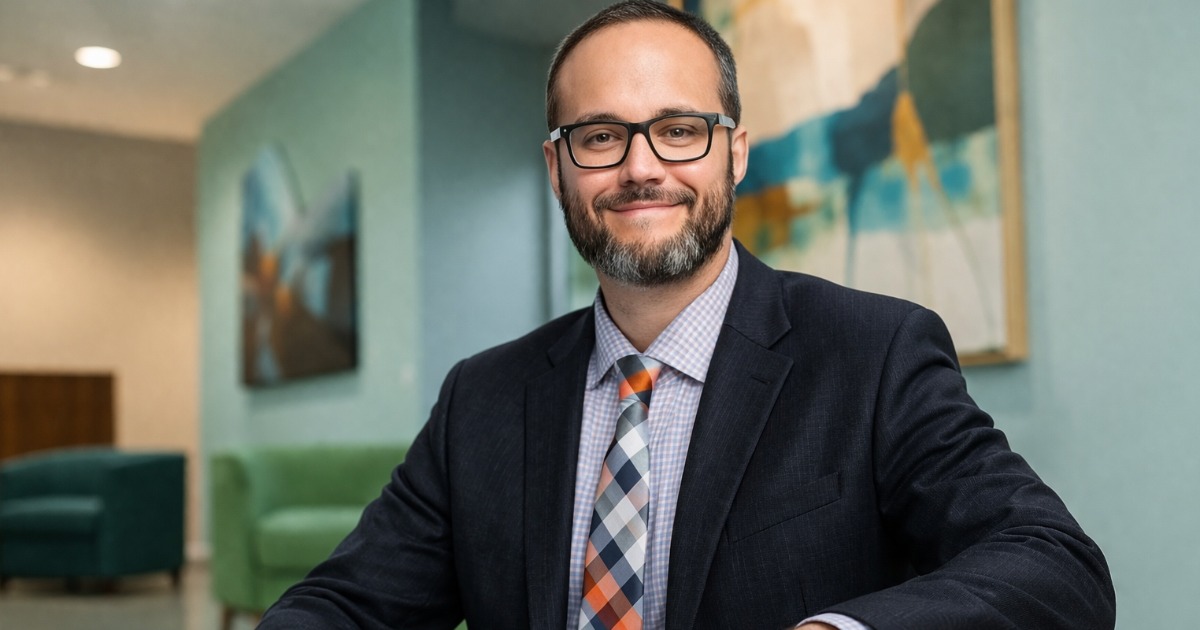
Four Cleveland-based medical researchers - two with the Cleveland Clinic, one with University Hospitals and another from Case Western Reserve University School of Medicine - each received seven-year, multi-million dollar awards from the National Institutes of Health.
The grants are the highest honors and largest individual support grants NIH confers. NIH describes the NCI Outstanding Investigator Award as a highly competitive award that supports investigators with outstanding records of productivity in cancer research to continue or embark on projects with significant potential for major breakthroughs.
The recipients will put the funding to work on colon cancer, age-related cardiovascular risks, multiple sclerosis and bone marrow failure syndromes.
The University Hospitals recipients, each with seven year, $6.7 million awards are:
Sanford Markowitz, MD, is internationally recognized for landmark discoveries in gastrointestinal cancer genetics. He heads the GI Cancer Genetics Program at Case Comprehensive Cancer Center. He's professor of Cancer Genetics at Case Western Reserve University School of Medicine and medical oncologist at UH Seidman Cancer Center at University Hospitals. His research is focused on harnessing the 15-PDGH colon cancer suppressor gene pathway to improve the ability to identify individuals at high risk of colon cancer and to develop new methods and drugs for colon cancer prevention and treatment.
Mukesh K. Jain, MD, chief scientific officer at University Hospitals and Harrington Discovery Institute, is a practicing cardiologist who is internationally-renowned for the identification of a family of proteins, known as Kruppel-like factors - KLFs - as key regulators of immunity and metabolism. His work defined KLFs as essential determinants of nutrient availability and utilization in physiology and disease. Jain's recent findings, which serve as the basis of this new award, suggest that KLF proteins exert control over lifespan and general health from worms to mammals, including humans.
The Cleveland Clinic recipients are:
Jaroslaw Maciejewski, MD, is an expert in blood and bone diseases. The award will support his work translating scientific advances in bone marrow failure syndromes - BMFS - into improved patient care. He'll receive more than $5.5 million over the next seven years. His research indicates BMFS will likely not be cured by a universal drug, owing to its molecular diversity. Instead, the disease demands multiple therapies personalized for each patient and guided by biomarkers.
Bruce Trapp, a specialist in multiple sclerosis and myelin biology, has produced seminal work in the understanding of MS, a disease of the central nervous system in which the body's immune system attacks healthy tissue. With MS, the immune system targets myelin, the protective fatty coating that wraps around nerve fibers. By destroying nerve connections, MS can lead to unpredictable fatigue, muscle weakness, difficulty with mobility and even paralysis in later stages. Trapp will further study how myelin loss leads to brain cell dysfunction, nerve fiber death and neurological disability, as well as how the disease process can be slowed and reversed. He will receive nearly $7 million from the NIH over the next eight years.
Cleveland Clinic now has three researchers named outstanding investigators since the NIH introduced the new award strategy in 2015.
Jeremy Rich, MD, researcher in the Department of Stem Cell Biology & Regenerative Medicine at the Lerner Research Institute, was the first Cleveland Clinic researcher to receive an Outstanding Investigator Award - $6.7 million in 2015.