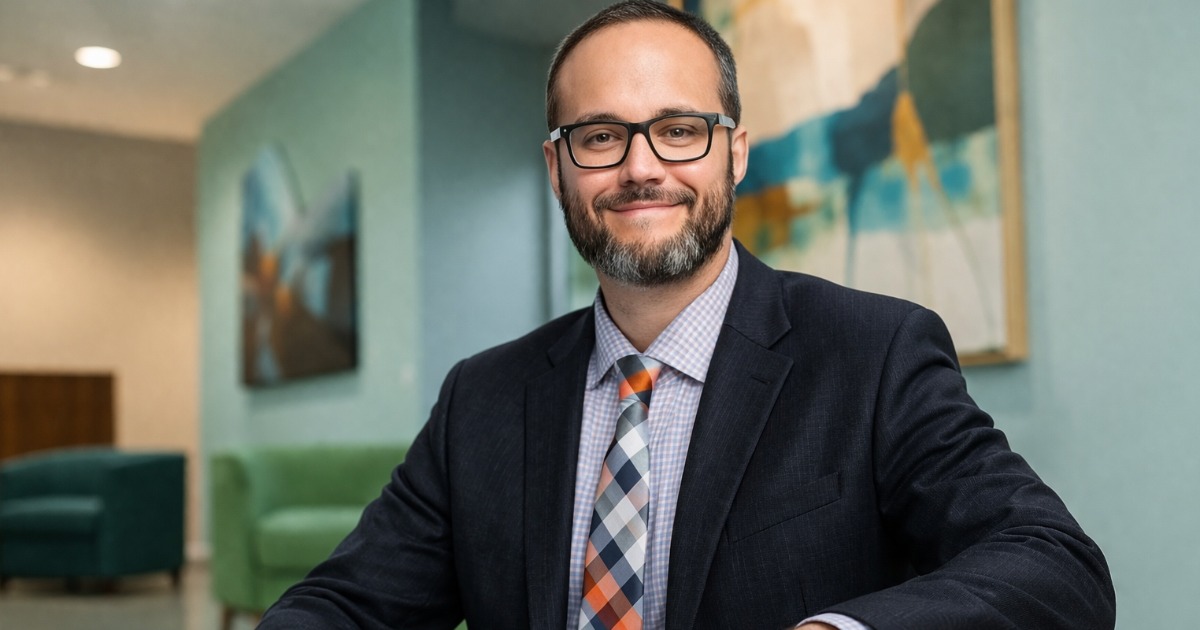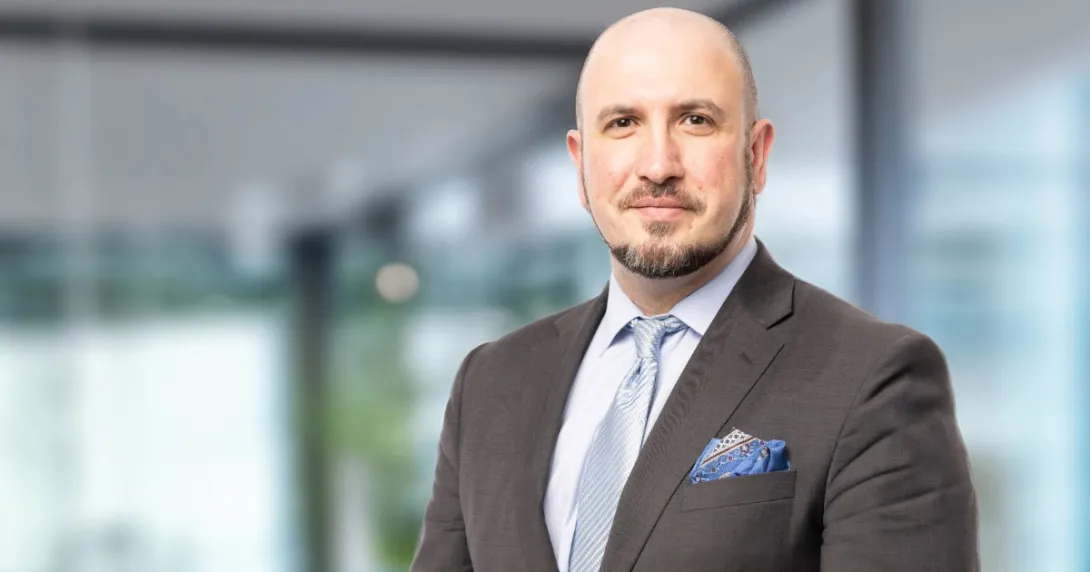
Dr. Rodolphe Taby is executive vice president and chief medical officer/hospital and critical care medicine at SCP Health
Photo: SCP Health
Many hospitals are rethinking how they staff inpatient care. An increasing number are turning to virtual hospitalists to handle admissions, rounding and discharges – all done remotely.
Staffing shortages remain a problem. Rural hospitals especially cannot always find or keep enough on-site doctors. At the same time, hospital capacity is high and expected to increase.
SCP Health, a telemedicine and hospital-at-home provider organization that offers virtual hospitalists, recently hit one million virtual hospital medicine visits, the company reported. Dozens of hospitals are using this model through SCP as part of their day-to-day operations.
Core coverage physicians
These doctors are not backup – they are core coverage, said Dr. Rodolphe Taby, executive vice president and chief medical officer/hospital and critical care medicine at SCP Health.
"Access to care is one of the most important issues in inpatient hospital care," he stated. "Many hospitals, especially those in rural or semi-rural locations, simply do not have enough clinicians on-site. This supply-demand gap creates delays in admissions, evaluation and treatment for patients. This issue even occurs in larger hospitals where the problem is not just numbers but patient volume unpredictability.
"Patient volume rises and falls, acuity changes, and traditional staffing models are not always agile enough," he continued. "All these factors can lead to care bottlenecks, stressed teams and less than optimal patient throughput. These access and capacity challenges are what we set out to address through innovative use of virtual health."
The goal is to solve part of this problem with virtual hospitalists. Their job description is considerable as they work from afar.
Almost all inpatient duties
"Virtual hospitalists take on the full spectrum of inpatient duties, with the exception of the physically hands-on procedures like central venous catheter placement or endotracheal intubation," Taby explained. "Virtual hospitalists admit patients, respond to emergency department consults, round on the floors, write discharge plans, and participate in rapid responses and code events.
"The only difference is they do so remotely," he continued. "They rely on high-quality audio, visual and digital tools like digital stethoscopes that allow remote clinicians to conduct a physical examination virtually with the support of an on-site nursing team."
Remotely, these virtual hospitalists have many capabilities that on-site hospitalists have, such as auscultating the heart and lungs, assessing the patient's alertness and consciousness, conducting a neurological examination, and more.
"When patient volumes surge or on-site staffing tightens, the virtual clinician joins the care teams from a remote location and collaborates with the on-site team in real time, maintaining continuity of care while reducing delays and workload burden for the in-house team," he said.
One million virtual visits
SCP Health reported that it recently hit one million virtual hospital medicine visits. Taby believes strongly in this approach to the growing healthcare challenge.
"We have approached this challenge by building regional and national hubs of virtual clinicians who are licensed and credentialed across multiple states and facilities," he explained. "We have focused on the night shift coverage and patient volume surge scenarios because that is primarily where shortages and stresses often occur.
"One of the many things we do is make sure virtual hospitalists are fully operationally integrated with the on-site care teams," he continued. "They are held to the same quality benchmarks, as well as credentialing and certification standards, as any on-site clinician working in the hospital. That consistency helps build trust across the teams and improves continuity of care."
So, the big question may be: What does the virtual hospitalist model signal about the future of inpatient care?
More team-based care
"This model signals that inpatient care is becoming more team-based and less bound by physical proximity," Taby said. "Hospitalist clinicians are no longer required to physically be at the bedside for every decision, though bedside care teams remain essential. Virtual hospitalists reinforcing that collaboration among care team members is a crucial element of providing high-quality patient care.
"This model also points to a broader definition of inpatient care that spans the hospital, the emergency department, the post-acute setting and even remote locations," he added. "The question shifts from 'Where is the care happening?' to 'What care is needed and how is it coordinated?' That flexibility and extension beyond the four walls of the hospital is meaningful for optimal care delivery."
Follow Bill's health IT coverage on LinkedIn: Bill Siwicki
Email him: bsiwicki@himss.org
Healthcare IT News is a HIMSS Media publication.
The HIMSS AI & Cybersecurity Virtual Forum is free to attend on Nov. 18. Learn more and register.
WATCH NOW: Virtual health produces outcome differences